
Cortisone profoundly alters the metabolism of sodium, glucose, potassium, and calcium. Adjusting the diet while on corticosteroids is not just about eliminating salt: it is necessary to compensate for mineral losses, protect muscle mass, and control the glycemic load of each meal.
Protein intake under corticosteroids: protecting muscle above all
Muscle wasting (corticosteroid myopathy) is one of the most underestimated effects of prolonged corticosteroid therapy. Recent clinical nutrition recommendations suggest protein intakes of 1.2 to 1.5 g/kg/day when renal function is preserved, which is significantly above usual standards.
Distributing a significant dose of protein at each meal is as important as the total daily intake. We recommend aiming for about 25 to 30 g of protein per meal to optimize muscle protein synthesis.
- Eggs, poultry, white fish, and fatty fish (sardines, mackerel) meet these needs without excess saturated fats.
- Legumes (lentils, chickpeas) provide plant-based proteins and fiber, which slow down carbohydrate absorption.
- Low-sodium dairy products (plain yogurt, cottage cheese) combine protein and calcium, two simultaneous priorities under prednisone.
A menu for a cortisone diet on Easy Cooking helps structure these meals without falling into monotony. A common pitfall is to restrict overall calories to the point of worsening muscle catabolism: an overly restrictive diet exacerbates muscle wasting already caused by the treatment.
Sodium and potassium under cortisone: rebalancing the ratio
Corticosteroids increase renal sodium reabsorption and accelerate potassium excretion. This imbalance promotes water retention, hypertension, and cramps. Simply restricting sodium is not enough; potassium intake must also be increased simultaneously.
Reducing sodium beyond the reflex action
Removing the salt shaker from the table is a first step, but most dietary sodium comes from processed foods. Industrial bread, cold cuts, aged cheeses, prepared meals, and snack biscuits concentrate often invisible amounts of salt.
We find that switching to salt-free or reduced-sodium bread is one of the most effective adjustments, as bread remains a major daily source of salt in France. Potassium chloride-based salt substitutes offer an alternative, but their use requires medical advice in cases of renal insufficiency.
Potassium-rich foods to incorporate daily
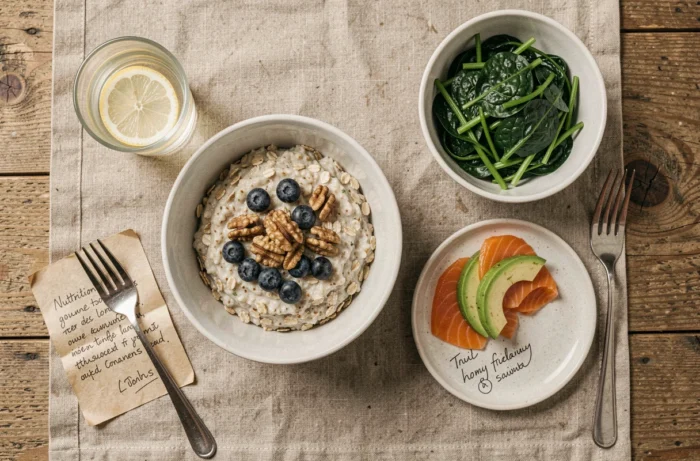
Bananas, avocados, spinach, sweet potatoes, white beans, and mineral water rich in bicarbonates are the densest sources of potassium. These foods compensate for urinary losses induced by corticosteroids and help stabilize blood pressure.
A sufficient daily intake of potassium reduces the risk of hypertension related to corticosteroids. Favoring steaming or braising cooking methods limits the loss of minerals into cooking water.
Glycemic control under prednisone: which carbohydrates to choose
Corticosteroids raise blood sugar levels by increasing hepatic gluconeogenesis and decreasing insulin sensitivity. Even without a history of diabetes, a patient on prolonged corticosteroid therapy may develop corticosteroid-induced diabetes. The choice of carbohydrates then becomes a therapeutic lever in its own right.
Low glycemic index carbohydrates (lentils, quinoa, sweet potatoes, unprocessed oats) release glucose gradually. In contrast, white bread, puffed cereals, fruit juices, and candies cause blood sugar spikes that the already stressed pancreas struggles to manage.
- Systematically pairing a complex carbohydrate with a source of protein or fat slows gastric emptying and mitigates postprandial spikes.
- Dividing meals into three main servings and one to two protein-rich snacks limits sharp glycemic fluctuations.
- Soluble fibers (oats, psyllium, legumes) improve insulin response and contribute to weight control.

Calcium and vitamin D: preventing corticosteroid-induced osteoporosis
Corticosteroids accelerate bone loss by decreasing intestinal calcium absorption and increasing urinary excretion. This mechanism begins within the first few weeks of treatment. Medical supplementation with vitamin D is often prescribed by the doctor, but diet remains a necessary foundation.
Low-salt dairy products (yogurt, cottage cheese, semi-skimmed milk) provide highly bioavailable calcium. Calcium-rich mineral waters are a useful supplement for patients who poorly tolerate dairy. Canned sardines with bones, almonds, and broccoli complement the intake.
A low-salt but calcium- and potassium-rich diet forms the basic nutritional triptych under corticosteroid therapy. Moderate sun exposure contributes to vitamin D synthesis, an essential cofactor for calcium absorption.
Spices and nutritional density: compensating for the blandness of a low-sodium diet
The most common complaint about the diet under cortisone is its blandness. Turmeric, cumin, paprika, herbs de Provence, garlic, and ginger enhance dishes without adding sodium. Turmeric also has documented anti-inflammatory properties that logically fit within corticosteroid therapy.
Focusing on nutrient-dense foods (colorful vegetables, fresh fruits, nuts, fatty fish) ensures sufficient micronutrient intake without excessive calories. This approach counters the temptation of a strict low-calorie diet that would deprive the body of the nutrients necessary for tissue repair and maintenance of bone mass.
Dietary adjustments under cortisone rely on a few precise trade-offs: low sodium, high potassium and calcium, increased protein, and controlled glycemic load carbohydrates. These adjustments do not replace medical follow-up, but they represent a concrete lever that each patient can activate from the start of treatment.