
A woman calls 3919, receives support, but does not know which local structure to turn to next. This gap in the process between the call and concrete support remains one of the weak points of the French system for combating violence against women. Understanding where these flaws lie allows for more effective action, whether one is a field professional, a local elected official, or close to a victim.
Role of CIDFF and departmental actors in supporting victims
When talking about systems against violence towards women, one thinks of the national helpline or media campaigns. The daily reality of protection relies on a much less visible departmental network.
The Centers for Information on Women’s and Family Rights (CIDFF) provide legal, social, and sometimes psychological support. Their role goes beyond information: they guide victims to emergency shelters, help compile a file for a protection order, and connect them with local law enforcement.
The departmental council also intervenes through social workers, who can identify situations of domestic violence during home visits or family follow-ups. Detection by field professionals remains the primary lever of action against the isolation of victims.
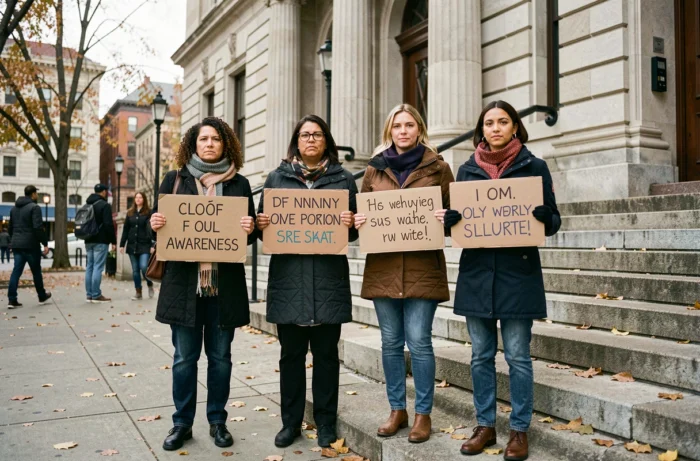
Associative collectives contribute to this mobilization. Femmes En Colère for example, voices militant perspectives that document lived realities and push institutions to be accountable for the resources deployed.
Protection orders and emergency alert phones: two underutilized tools
The protection order, issued by the family court judge, allows for the removal of a violent partner from the home without waiting for a criminal trial. The emergency alert phone (TGD) provides a direct alert to law enforcement in case of imminent threat.
These two systems have existed for several years. Their deployment is progressing, but feedback varies by jurisdiction. In some departments, the time to obtain a protection order still exceeds several weeks, which undermines the safety of victims between reporting and the judge’s decision.
The TGD has been extended to several hundred units across the territory. Its allocation depends on the public prosecutor’s office, creating territorial disparities. A victim in a large metropolitan area does not have the same level of protection as a woman in a rural area, where gendarmerie units cover larger perimeters.
What blocks action on the ground
- The lack of specific training for judges and clerks regarding the urgency of domestic violence situations, despite efforts from Miprof (Interministerial Mission for the Protection of Women Against Violence)
- The difficulty for victims to gather the required evidence (medical certificates, witness statements) in a context of psychological control
- The absence of systematic follow-up after the issuance of the order, which sometimes leaves the victim without support once the legal mechanism is in place
Sexual violence and consent reform: what is changing in French law
France initiated a reform in 2025 to explicitly integrate the notion of free consent into the criminal definition of rape. Until now, the law characterized rape by violence, coercion, threats, or surprise. This evolution, notably advocated by the National Consultative Commission on Human Rights (CNCDH), places the absence of consent at the center of the offense.
In parallel, a comprehensive bill against sexist and sexual violence was presented to the National Assembly in 2026. This text aims to cover the entire chain: detection, prevention, victim support, monitoring of perpetrators, and reparation.
This comprehensive approach marks a break from successive plans that treated prevention, justice, and housing separately. We are moving from a logic of stacked measures to a unified legislative framework. The challenge is to translate this ambition into concrete means in each department, which requires targeted budgets and trained personnel.
Training law enforcement on sexist violence
There have been advances in the training of police officers and gendarmes, but training remains uneven across units and territories. Taking complaints is a decisive moment: a victim poorly received at the police station often abandons any judicial process.
Complaint collection protocols have been improved, with danger assessment grids and family violence referents in certain units. The challenge is to generalize these practices beyond major urban areas.
Supporting a victim of domestic violence: concrete actions and mistakes to avoid
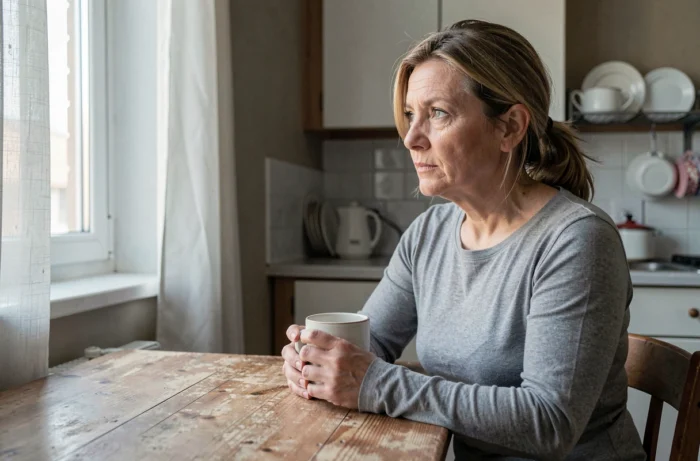
When you are close to someone who is a victim of violence, the temptation is to push for an immediate departure from the home. The reality of control makes this injunction counterproductive in most cases.
- Listen without judging or minimizing, even if the victim returns to their partner: the journey out of violence typically takes several attempts
- Offer to physically accompany them to a support location (CIDFF, local association, legal clinic) rather than just giving a number
- Document the facts if the person wishes: dated photos of injuries, saved messages, written testimonies from neighbors or relatives
- Never contact the perpetrator of the violence or intervene directly, as this can increase danger for the victim
Supporting without substituting the victim’s decision is the basic principle emphasized by all specialized associations. The most useful action remains to maintain the connection, even when the situation seems stagnant.
The rights of victims of violence include access to legal aid, emergency housing, and psychological support. These protective measures exist, but their effectiveness directly depends on the ability of local actors to work together, from the departmental council to grassroots associations.