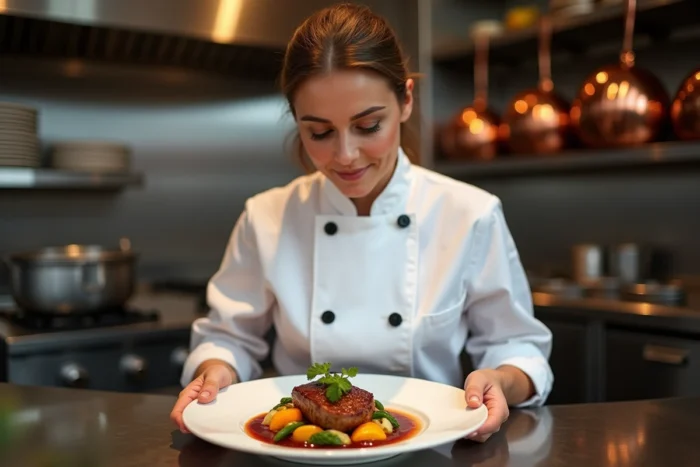
We are preparing a meal for six people, we open the fridge, and we find three zucchinis, a leftover of tomato sauce, and a bit of Comté cheese. Gourmet and creative cooking does not start in a cookbook: it begins with what we have on hand and how we decide to transform it.
Mastering cooking techniques before looking for recipes
Most failed dishes are not due to a poor choice of ingredients. It’s the cooking that turns a dish from acceptable to delicious. A fillet of fish sautéed for thirty seconds too long loses its pearly texture. A sauce reduced without supervision becomes bitter.
We gain more by working on a precise technical gesture (searing meat, whipping a sabayon, toasting spices dry) than by stacking new recipes each week. Recent culinary learning formats confirm this approach: the most attended sessions focus on cutting, mastering cooking techniques, or working with a family of products, not on a finished dish.
Here are some cooking techniques that change the game on a daily basis:
- Low-temperature cooking for meats and fish, which preserves tenderness without constant supervision.
- Brown butter, which adds depth of flavor to a simple roasted vegetable or a mushroom cream.
- A very hot cast iron skillet to achieve a caramelized crust on homemade bread or a crustless tart.
You can find ideas that exploit exactly this principle on gourmet-galopin.com: starting from the gesture rather than the dish.
Creative cooking with everyday ingredients: the real challenge
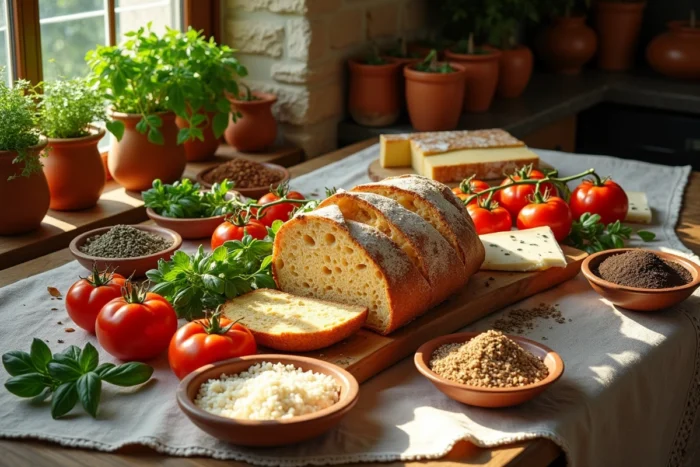
Buying lobster and truffles, anyone can make that taste good. Making a meal memorable with stale bread, carrots, and a jar of mustard requires a different kind of thinking. Creativity in the kitchen is measured by constraints, not by budget.
Transforming leftovers into complete dishes
A bit of bolognese becomes the base for a gratin of pasta with melted Comté. Leftover rice from the day before is stir-fried in a wok with an egg, soy sauce, and some chopped vegetables. Stale bread turns into homemade breadcrumbs, golden butter croutons, or a savory tart base.
This anti-waste reflex often produces more interesting results than following a recipe to the letter. We are forced to improvise, taste, and adjust. This is exactly what makes cooking alive.
Playing with textures and contrasts on the plate
A delicious dish activates several sensations at once. Combining crunchiness, creaminess, and acidity in the same dish changes the entire experience. Pickled red onions on a stew. A handful of toasted hazelnuts on a grated carrot salad. A splash of lime on a squash soup.
These gestures take just a few minutes and cost almost nothing. You don’t need professional pastry equipment or complex techniques to create contrast.
Sauces and seasonings: the most underestimated lever
You can serve the same roast chicken three nights in a row. With a Comté mornay sauce the first night, a smoked paprika mayonnaise the second, and a citrus beurre blanc the third, three different dishes arrive at the table.
Emulsified sauces (whipped dressings, flavored mayonnaises, simplified béarnaises) can be prepared in a few minutes and transform any ordinary lunch dish into a gourmet meal. The principle is simple: a fat, an acid, an aromatic. The rest is practice.
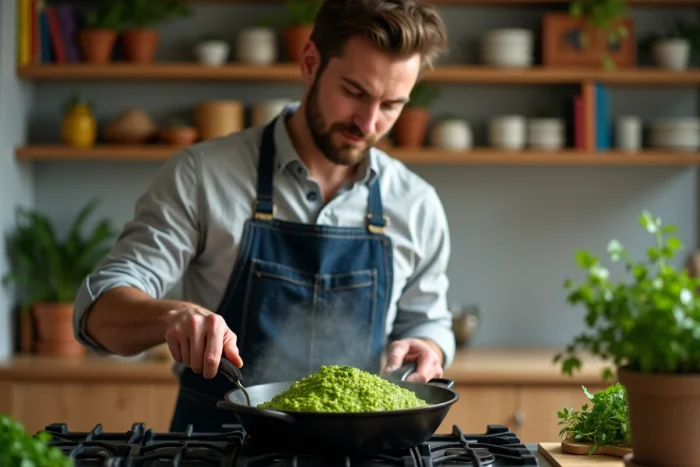
Here are a few combinations to try this week:
- Yogurt, lemon, and fresh mint sauce on grilled vegetables or homemade tabbouleh.
- Warm shallot and sherry vinegar vinaigrette on a lentil salad.
- Old-fashioned mustard cream whipped with a bit of fresh cream, served with white fish.
Feedback varies on this point, but many amateur cooks find that investing time in sauces yields more than searching for complicated dish recipes.
Small portions and plating: eating with your eyes first
The current trend in dining leans towards smaller, more refined, and personalized portions. We can apply the same principle at home without falling into pretentiousness.
Serving three small preparations instead of one hearty dish changes the perception of the meal. A small glass of mushroom cream, a topped toast, a little crunchy salad: lunch becomes an experience, not a chore. Chocolate at the end of the meal works better in two squares melted over a scoop of homemade vanilla ice cream than in a large slice of cake.
Plating does not require special equipment. A plain white plate, a drizzle of sauce traced with a spoon, fresh herbs chopped at the last moment. The plate tells a story even before the first bite.
Season and locality: the filter that simplifies all decisions
When you don’t know what to cook, the season decides. In summer, tomatoes and zucchinis need almost nothing. In winter, squashes and root vegetables call for long cooking and warm spices. Cooking in season reduces the time for reflection and improves the result.
Local markets impose a natural framework. You buy what is available, you adapt. This constraint produces more coherent menus and bolder flavors than any general recipe guide.
Gourmet and creative cooking does not need complexity. It relies on precise cooking, well-crafted seasonings, and ingredients chosen at the right time. Pleasure comes when we stop following instructions and start tasting, adjusting, and deciding for ourselves.